Sustaining
Hope
Join us in transforming dreams into reality. Your support can make a significant impact on the causes that matter most.
The IMPACT of every donation!
Turning ideas into measurable change.
unique households engaged
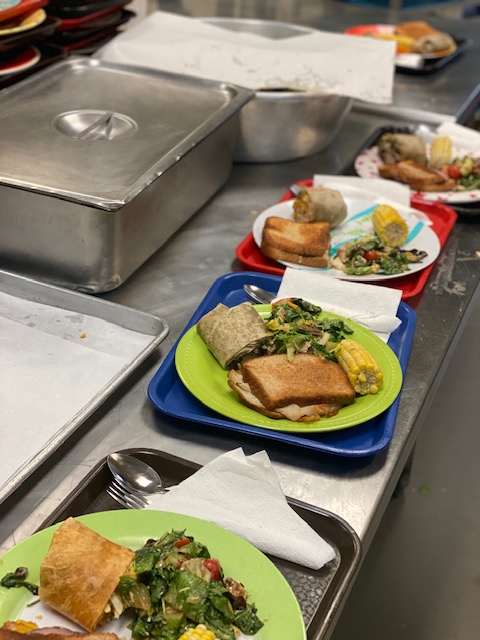
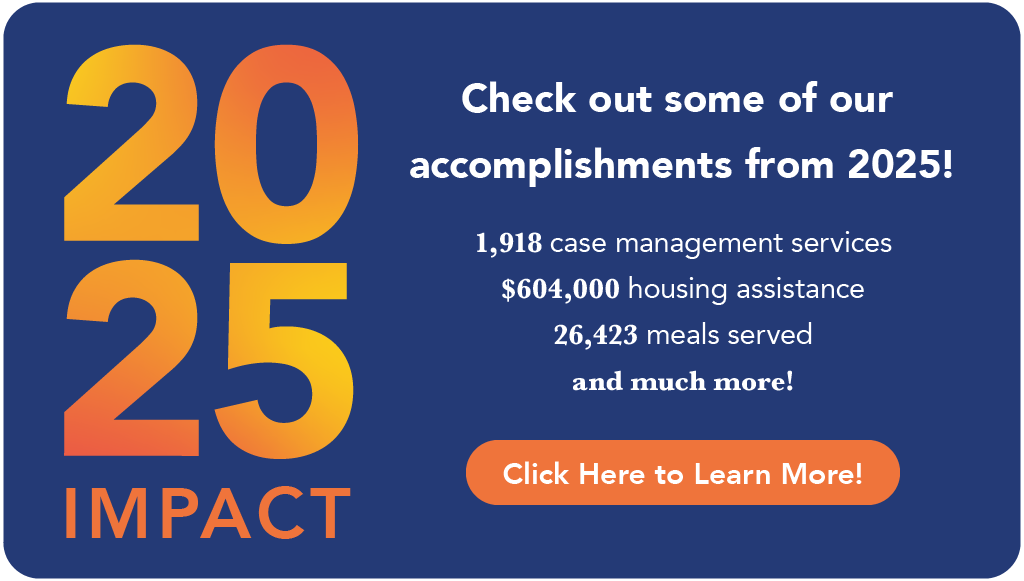
meals served
marta passes provided
birth certificate's provided
state id's provided
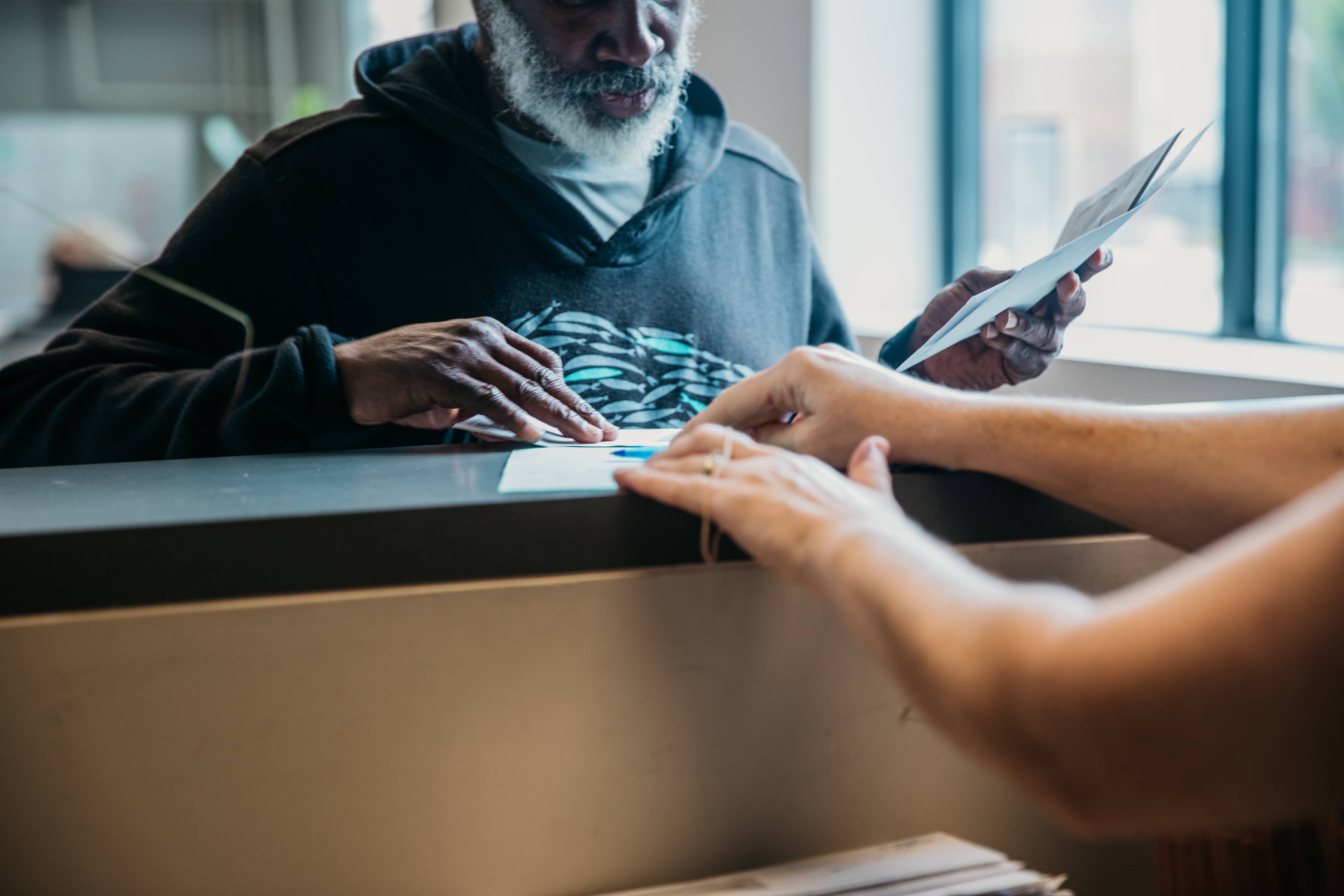
mailroom visits
households secured new housing
households avoided eviction
The Renewal Project is a frontline stabilization program for those who are currently unhoused as well as for those who are at risk of becoming unhoused. Our fundamental services include individual case-management and assessment, vital documentation services, mailing address options, Marta transportation and numerous onsite partner services that are readily available weekly.
Service Pathways
Stability Pathway: 15-25 guests daily for core services, first come first serve, sit down meal provided
Mailroom Check Pathway: available daily, sack lunch provided
Birth Certificate Check Pathway; available daily, sack lunch provided
Core Services:
Case-management, ID Vouchers, Birth Certificates, Mailroom Support, MARTA(employment/medical purposes), Homeless Verification Letters, Personal Care Items, Vital Doc Storage, Community Resources
The Door-to-Door Program supports individuals, families and veterans who are experiencing homelessness or at-risk of experiencing homelessness. With case management, we provide emergency rent, move-in and utility assistance, alongside community referrals. If you would like to help our neighbors celebrate their new homes with a move-in gift, we accept gift-card donations to offer our guests! For more information please refer to our “donate page”.
Direct Services:
Rent, Utility and Move-in assistance
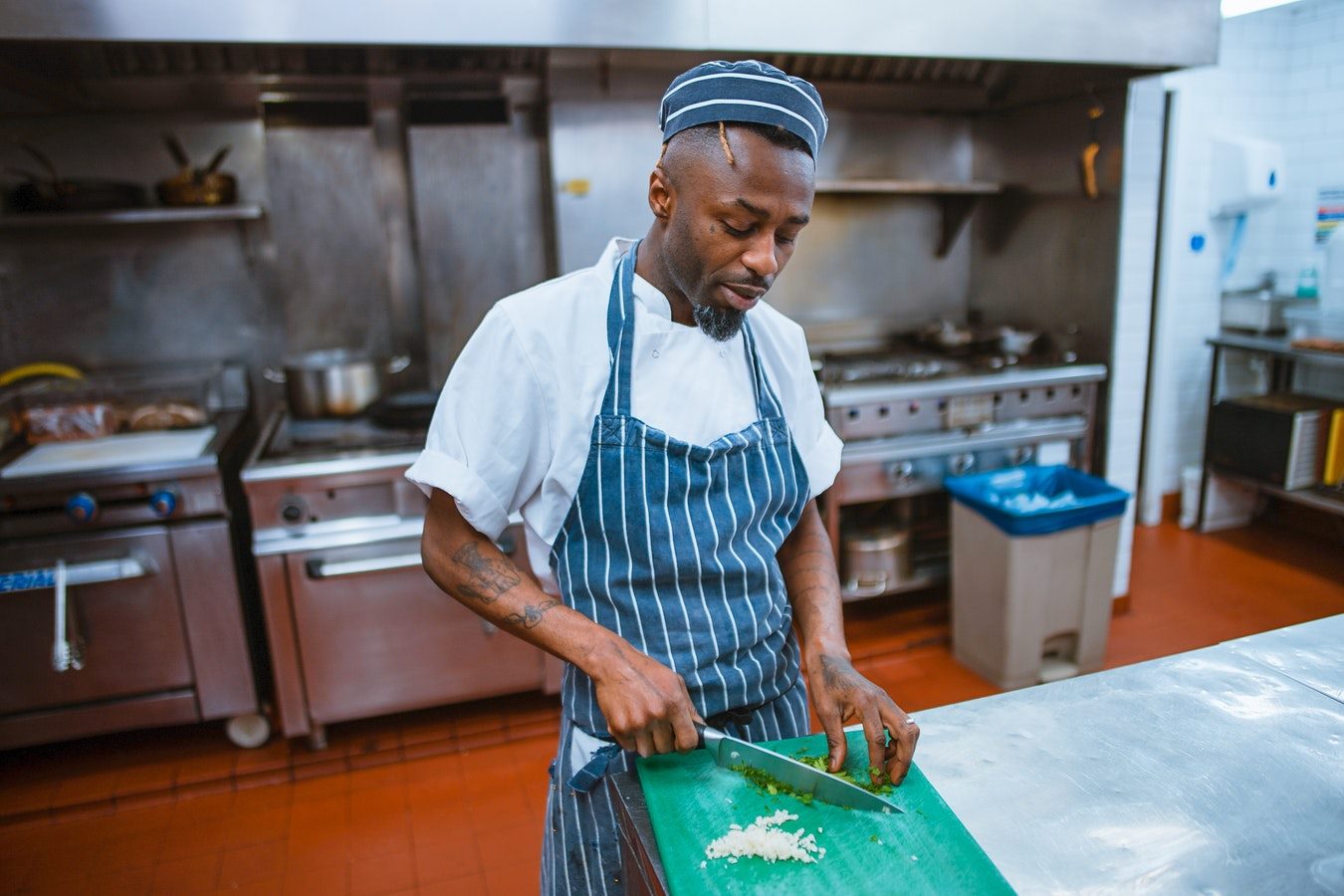
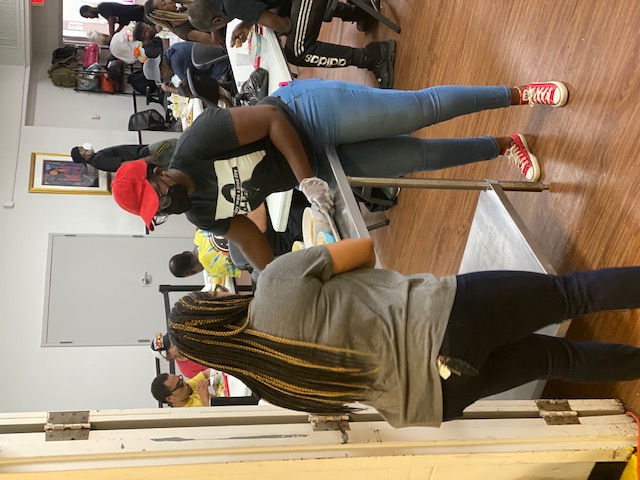
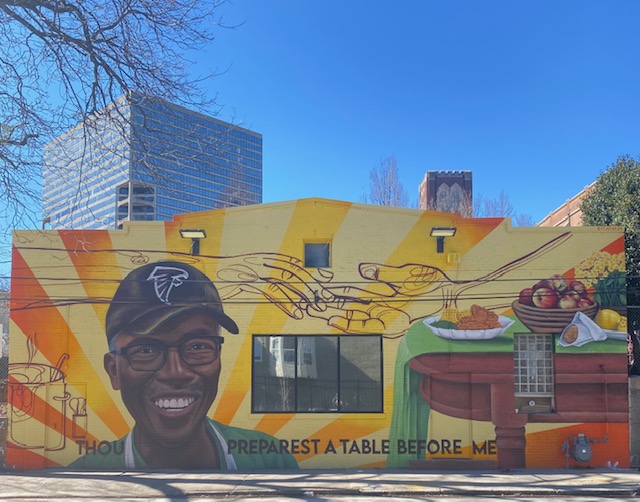
Check EligibilityMission United Family Assistance - Apply HereHome Again - Apply HereClyde’s Kitchen provides up to 27,000 meals on an annual basis. These meals go directly to our guests coming in to receive life essential services. These meals are also only possible due to our numerous partners such as Second Helpings Atlanta and the Atlanta Community Food Bank, who provide us with good quality food we use to prepare as well as volunteers who directly serve our guests with dignity.
Meal service is only available to those receiving service from The Renewal Project or Door-to-Door Housing.
Our MissionCrossroads Community Ministries seeks to provide access to resources that empower people experiencing homelessness to progress on the road toward economic and personal stability.
Volunteer
Crossroads has a long and rewarding history with volunteers. Due to long-standing commitment over the years from our volunteers, we’ve been able to offer various supportive services
and grow as needed.